






The Quick Answer on Sanded and Unsanded Grout
Use unsanded grout for joints smaller than 1/8 inch and sanded grout for joints 1/8 inch and wider. That is the guidance from the Tile Council of North America. The sand makes wide joints strong, but it can scratch soft or polished tile.
The right grout also depends on the tile surface and how wet the area gets. Picking wrong leads to cracks, scratches or stains that are hard to fix later.
This guide explains the difference, how joint width and tile type decide it, and when a different grout makes more sense. For installation help, visit our bathroom tile installation page.
The good news is that the rules are simple once you know the size of the gap between your tiles.
What Is the Difference Between Sanded and Unsanded Grout?
Both are cement-based grouts that fill the gaps between tiles. The only real difference is fine sand mixed into one of them.
Sanded grout
The sand acts like a filler. It gives the grout body, cuts down on shrinking as it dries, and helps it resist cracking. That makes it the standard choice for floor tile and wider joints.
Unsanded grout
Unsanded grout is smooth and sticky. It presses easily into very thin joints. Without sand, it can shrink and crack if the joint is too wide.
How they look
Sanded grout has a slightly gritty texture. Unsanded grout looks smoother. Once it is sealed and cured, most people cannot tell them apart from a few feet away.
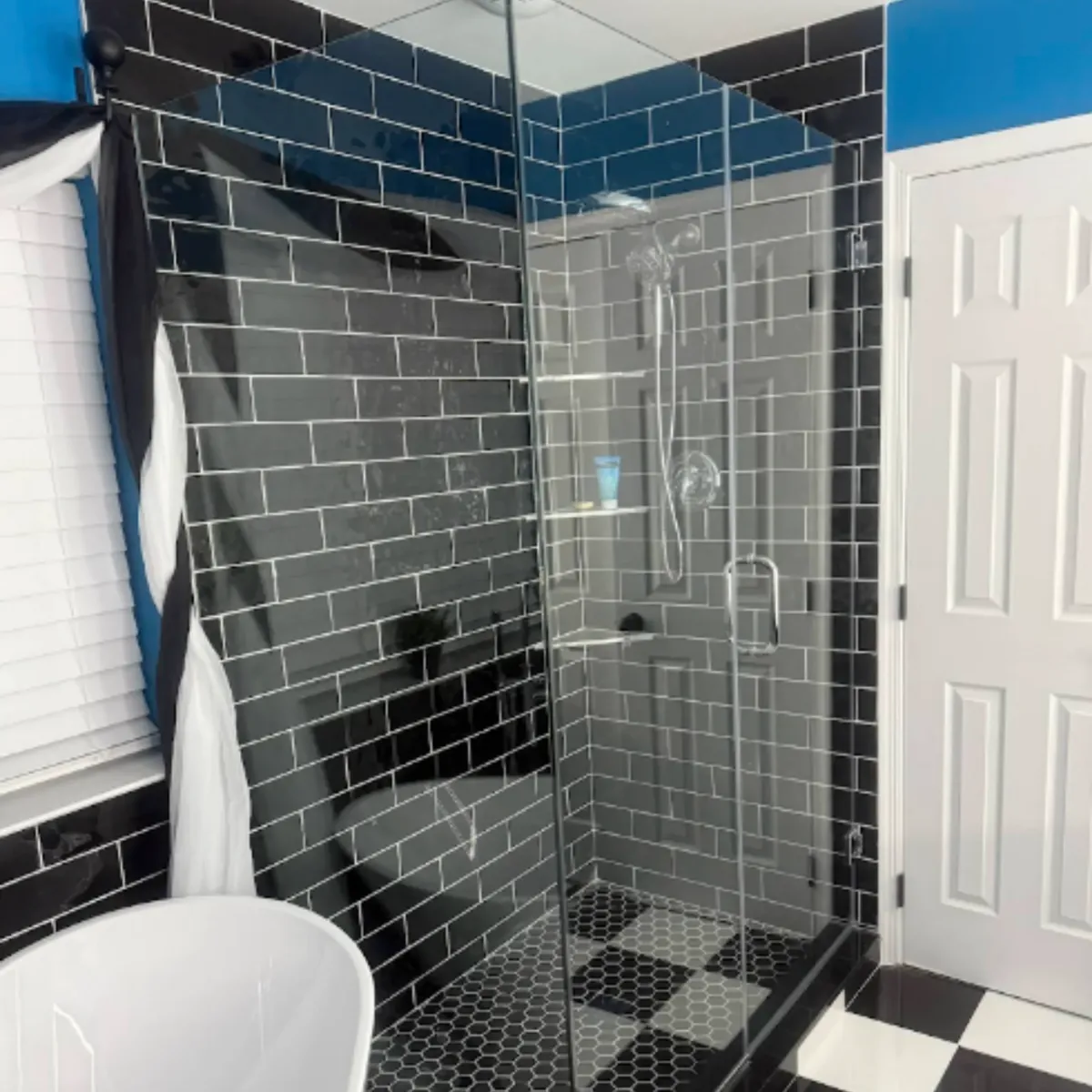
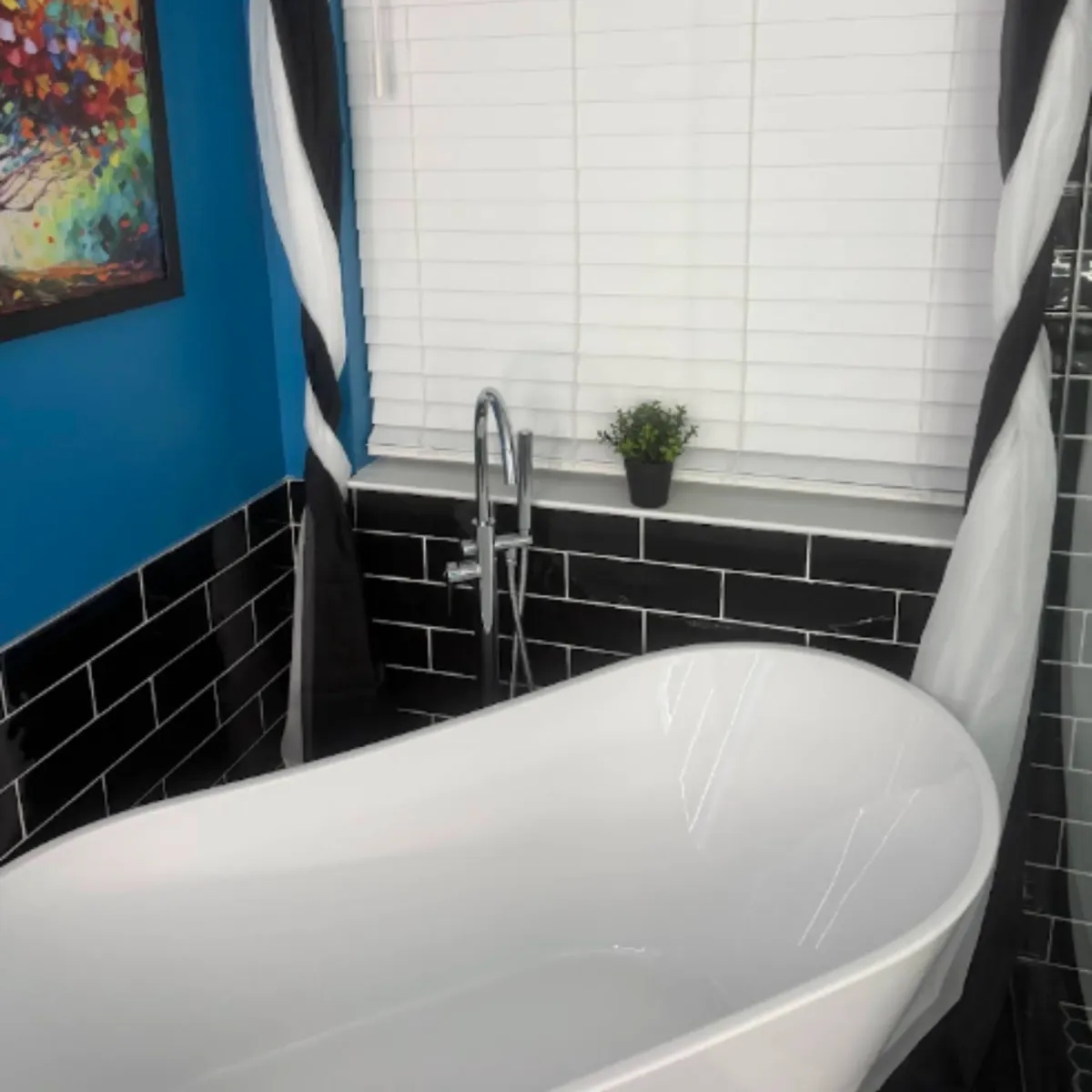
Color is a separate choice from type. Both sanded and unsanded grout come in many colors. A grout close to the tile color hides small flaws. A contrasting grout, like white with black subway tile, shows off the pattern but also shows dirt and uneven joints.
Grout coverage also depends on joint size. Wider joints use more grout per square foot, which is worth knowing when you buy bags for a floor.
How Joint Width and Tile Surface Decide the Grout
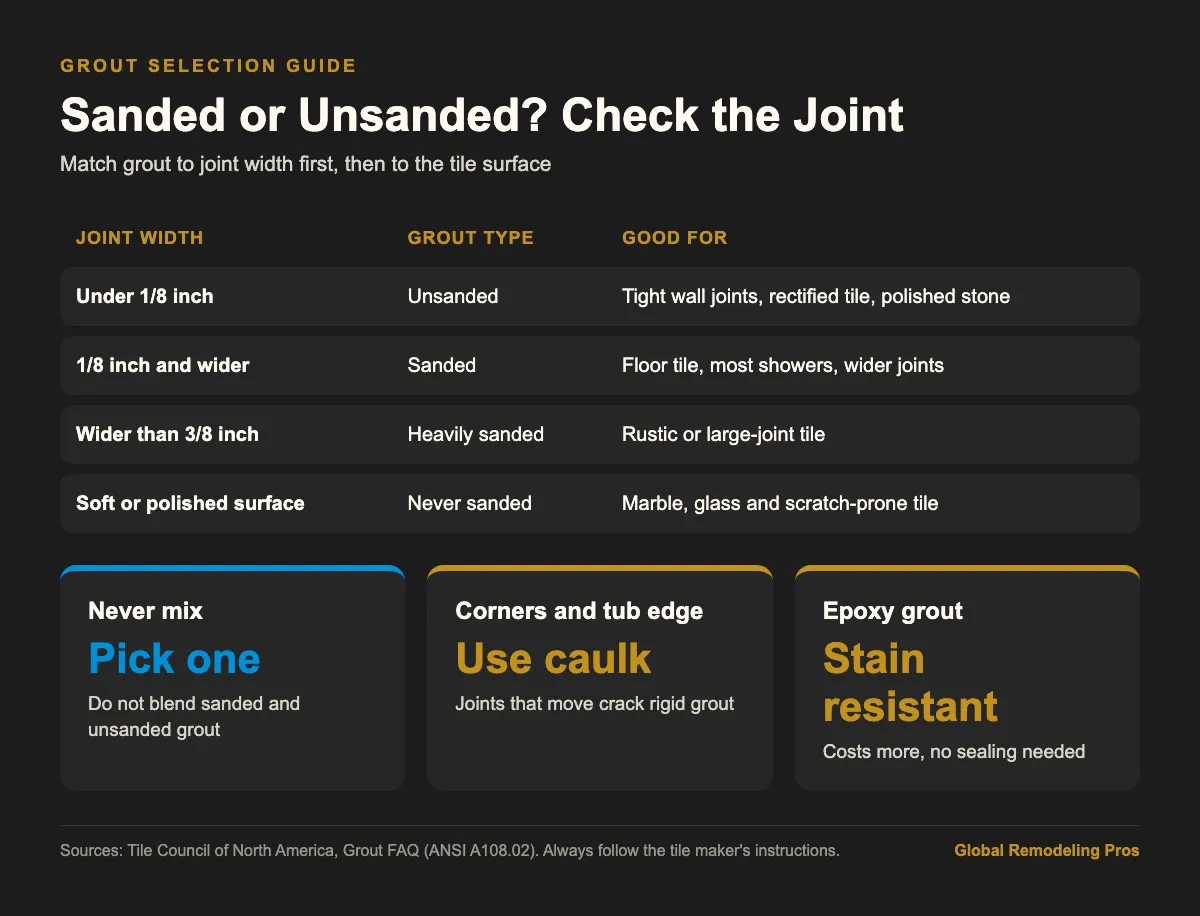
Joint width is the first rule. The TCNA grout guidance says joints under 1/8 inch should use unsanded grout, and joints 1/8 inch and larger should use sanded grout. It also notes that joints wider than 3/8 inch usually need a more heavily sanded grout.
Tile surface is the second rule. Sand can scratch polished marble, glass tile and some glossy finishes. The TCNA warns never to use sanded grout on marble or any surface the sand can scratch.
Typical bathroom matches
Floor tile with 3/16 inch joints takes sanded grout. Rectified porcelain wall tile with a tight 1/16 inch joint takes unsanded grout. Polished marble with thin joints takes unsanded grout.
Never mix the two
The TCNA also says sanded and unsanded grout should never be mixed. Pick one based on the widest joint in that area and the softest tile surface.
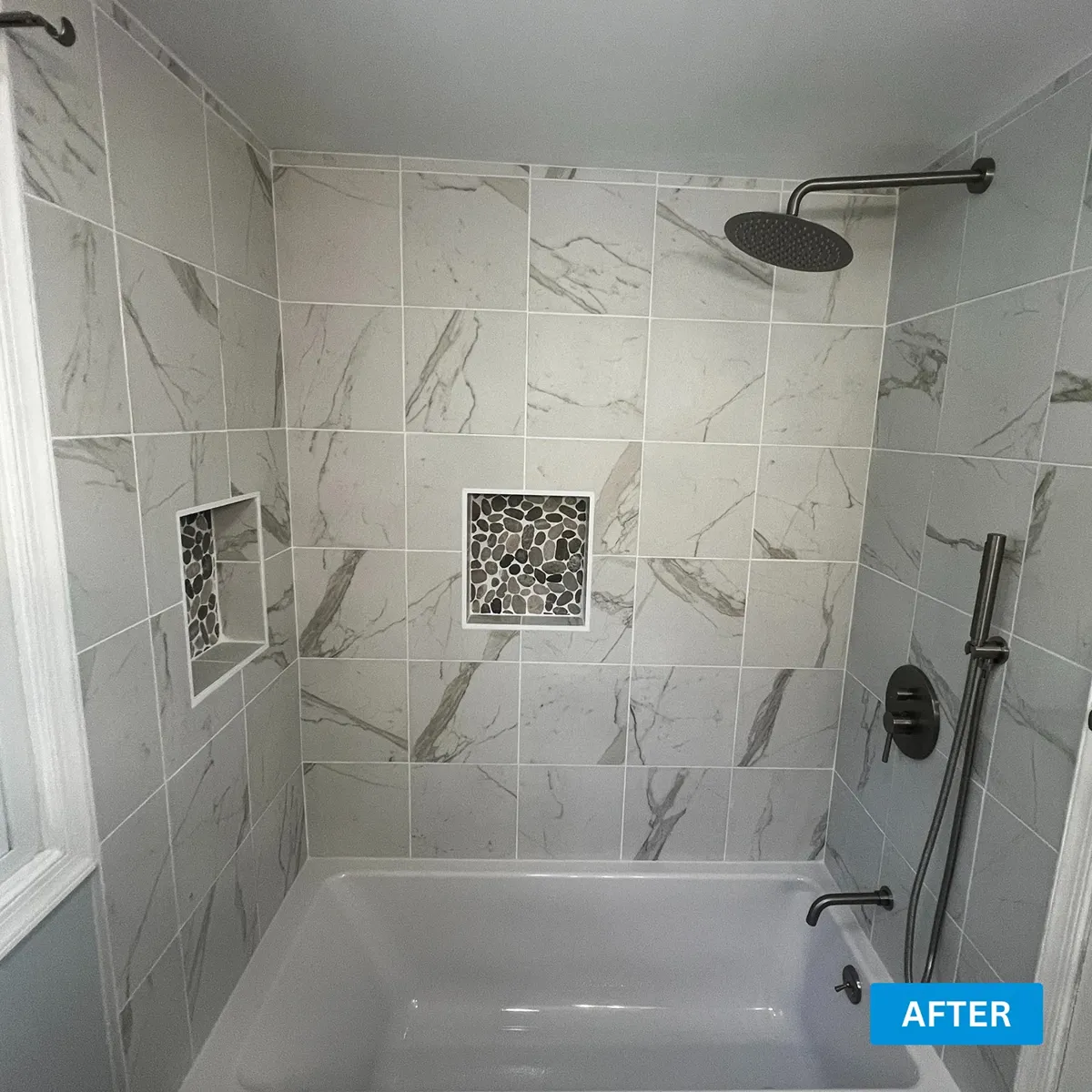
Tile edges matter too. Rectified tile has sharp, precise edges and allows very thin joints. Handmade or rustic tile varies in size, so it needs wider joints, and that pushes the choice toward sanded grout.
Wall tile and floor tile in the same bathroom can use different grouts. What matters is that each area follows the joint and surface rules.
Before grouting, let the thinset cure for the time the maker lists. Grouting too soon can shift tiles and leave weak joints.
Wet Areas, Manufacturer Rules and Real Bathroom Work
Showers and tub surrounds get wet every day. Grout in those spots needs to be the right type and mixed with the right amount of water. Too much water makes weak, dusty grout that breaks down early.
Grout is not waterproof. Water that gets past grout is stopped by the waterproofing behind the tile. That is why a good shower build puts a membrane or waterproof board behind the tile, not just good grout on top.
The tile maker’s instructions come first. Many brands list the grout type and joint size they require. The NKBA Bath Planning Guidelines also recommend slip-resistant surfaces on shower floors, which often means small mosaic tile with more grout lines.
Global Remodeling Pros has tiled showers, floors and tub surrounds on more than 5,000 projects since 2017. We are a family owned, MHIC licensed remodeler. Matching grout to the joint width and the tile surface is a basic part of tile work done right. Our work is backed by a lifetime labor guarantee.
Caulk, not grout, belongs in the corners of a shower and where tile meets the tub. Those joints move a little as the house settles and the tub fills. Rigid grout in those spots tends to crack, while flexible caulk moves with them.
When Epoxy or Newer Grouts Make More Sense
Cement grout is not the only option. Epoxy grout resists stains and does not need sealing. It costs more and is harder to install, so it is best for spots that get heavy use or spills.
Some newer grouts are premixed or made to resist stains and color changes better than basic cement grout. Check the label for the joint sizes it allows and whether it is rated for showers.
If you are still choosing the wall surface, compare acrylic vs. tile shower walls first. Acrylic has no grout at all. If tile is the plan, our bathroom remodel timeline shows how long grout needs to cure before you shower.
When in doubt, choose the grout the tile maker lists and seal cement grout as directed. That simple step keeps a bathroom looking new for years.
If old grout is cracking, find out why before you regrout. Loose tile or water behind the wall will crack new grout too.
If you are unsure of the joint size, measure it with a ruler or ask for the spacer size the installer plans to use. The spacer size is the joint width, and it points straight to the right grout.
Grout Questions for Bathroom Tile
Can I use unsanded grout on a floor?
Only if the joints are smaller than 1/8 inch. Most floor tile has wider joints, so sanded grout is the better fit. Unsanded grout in a wide floor joint tends to crack.
Do I need to seal grout in a shower?
Cement grout, sanded or unsanded, should be sealed after it cures. Sealer slows stains and water soaking in. Epoxy grout usually does not need sealing.
Which grout is best for a small bathroom?
It depends on the tile, not the room size. Global Remodeling Pros helps homeowners in Arnold, Maryland match grout to their tile and joint width before any work starts.
Get Tile Work That Lasts
Global Remodeling Pros installs bathroom tile in Arnold, Maryland and nearby towns. Call for a detailed proposal within 24 hours.
Call 443-331-9613
Related reading: How Much Does It Cost to Install a New Toilet? and Frameless vs. Semi-Frameless Shower Doors.